
Loyalty as a growth engine: Why fuel retailers and distributors cannot afford to ignore it?
Date: 19 Jan 2026
Loyalty programs are no longer optional. They’re becoming a cornerstone of competitive strategy in the fuel industry. Tristan Gerrish, General Manager at Octane Systems, recently sat down with David Parsons, CEO of Ellipsis, a leading consultancy in loyalty and customer engagement, to explore why loyalty matters, how it drives growth, and what operators need to do to stay ahead.
The Evolving Role of Loyalty
For decades, loyalty in the fuel industry has been treated as a value-add, a way to keep customers returning to a competitive category. But the landscape is shifting. Retailers who understand this evolution are already seeing commercial benefits.
“Not every fuel retailer chooses to run a loyalty program,” David explains. “Some compete purely on price and that can be a winning strategy. But being the price leader only works if you have a sustained cost advantage. It’s hard to do, and it’s hard to maintain.”
The real power of loyalty emerges when retailers look beyond today’s tank. “Fuel itself may feel transactional, but customers are not,” David says. “Loyalty programs have become a critical lever for differentiation. While some operators focus on price, others invest in loyalty to build repeat behaviour, brand preference, and long-term customer value.”
Tristan adds, “There’s a clear opportunity for fuel distributors to rethink loyalty across both B2C and B2B. Commercial loyalty has existed for years, but it’s often limited to surface level rewards such as a free hat, some branded merchandise, and the occasional giveaway. Nice gestures, sure, but they rarely shift behaviour in any meaningful way,” he says.
Tristan explains that the real impact comes from reframing value, not necessarily increasing spend. You could give a customer 50,000 airline points or offer the same value as an all-expenses-paid trip. Same investment, different outcomes. That’s where engagement goes beyond transactions and begins to shape behaviour. For commercial clients, structured programs that mirror the principles of consumer loyalty can have a huge impact.
Beyond Price: Unlocking Incremental Value
Effective loyalty programs deliver more than repeat visits, they unlock incremental revenue through several mechanisms:
- Customer Acquisition: Attractive offers and partnerships, like frequent flyer programs, bring in new customers cost-effectively.
- Frequency & Habit Formation: Loyalty programs reinforce brand preference, keeping the retailer top-of-mind at the decision moment. They help form or strengthen habits, so customers think of your brand first, even when convenience isn’t guaranteed.
- Basket Growth: Drive revenue beyond fuel by encouraging premium upgrades, car wash, and convenience retail (coffee, snacks, essentials), turning a refill into a multi-category transaction and enabling new revenue streams.
- Advocacy & Household Reach: Features such as family pooling extend benefits across multiple vehicles, deepening engagement.
Research supports this pattern. Top-performing programs can increase revenue from enrolled customers by 15–25% annually through higher visit frequency, retention and basket size. When design and executed well, new programs can lift top line revenues in the order of 7%. That being said, not all programs work. Our analysis shows that up to 25% of programs are unprofitable, So whilst the opportunity for revenue and profit growth is significant, it’s super important to have the strategy, execution and measurement regimen in place to track performance and ensure return on investment is optimised. David points out that this success comes from strategy and mechanics. “Most organisations have loyalty mechanics, but very few have a loyalty strategy. The winners treat loyalty as a behavioural system, not just a points engine.”

Data: The Real Prize
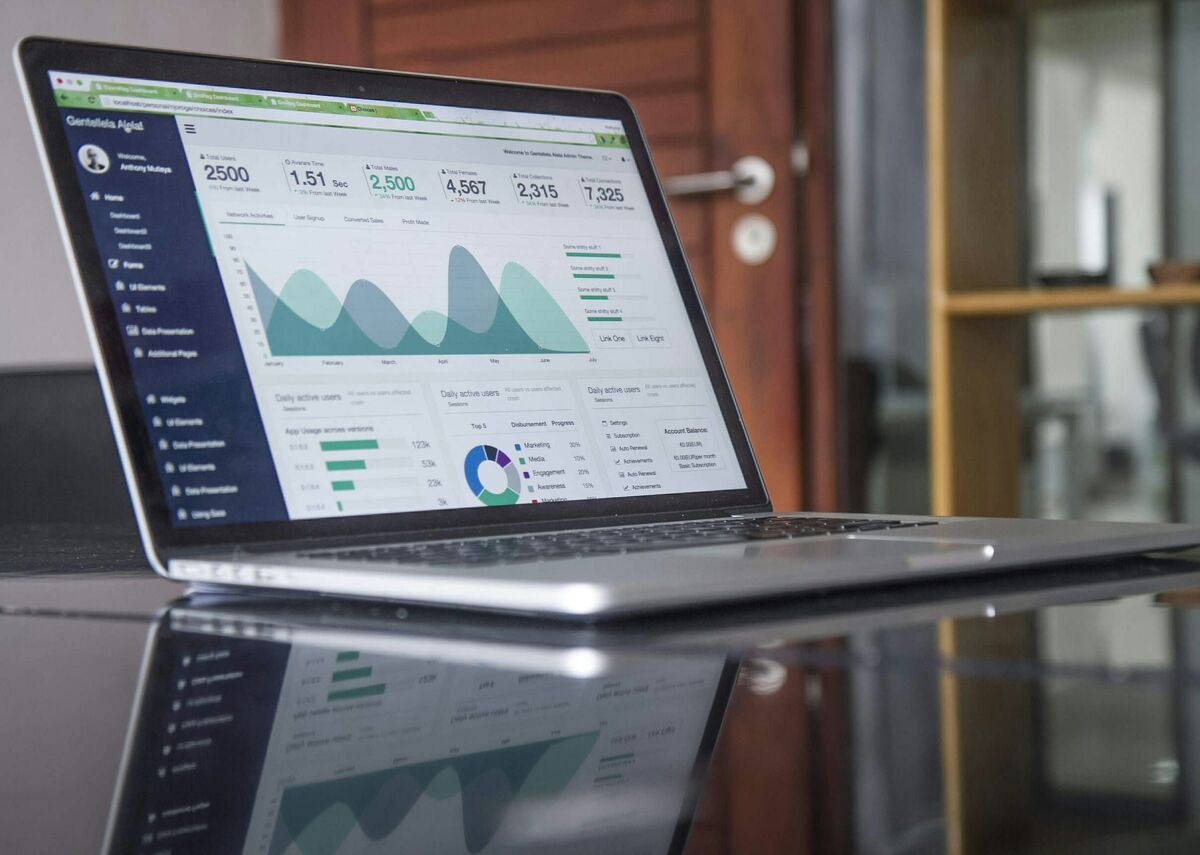
At the heart of loyalty’s value is data. “Loyalty is the price you pay for the data,” David notes. “The return comes from using it well.” A well-structured program allows retailers to understand buying patterns, household needs, and behavioural triggers, enabling smarter, more personalised offers.
Without these insights, retailers rely on price movements and broad promotions; resulting in wasted marketing spend
Designing the Right Loyalty Model
David advises retailers to start with clarity on which customers matter most, what behaviours drive value, how rewards and infrastructure will be funded, and the roadmap for implementation. Options include:
- Partnering with an existing program for fast access to large customer pools and lower upfront costs, with ongoing “rent” expenses.
- Building proprietary programs for higher upfront investment, slower returns, but greater control and long-term monetisation potential.
- Hybrid models that combine partnerships for scale with proprietary systems for strategic value.
Many successful retailers blend approaches, owning core assets while leveraging partnerships for reach. “The question isn’t whether loyalty works,” David says. “It’s whether your program is doing the job you think it is.” Ellipsis works with organisations across sectors to design loyalty systems grounded in behavioural economics and customer value growth, ensuring programs maximise customer lifetime value and drive measurable growth. Ultimately, the real opportunity lies in shifting from “selling fuel” to “owning the customer relationship.” When operators know their customers, they can influence more of their spending across fuel, convenience retail, and emerging services.
Beyond the pump
David believes loyalty will play a central role as the fuel retail sector continues to evolve, particularly with the shift toward electrification and diversified retail offerings. “If an operator holds the customer relationship, they can adapt as energy and mobility needs change,” David says. “Loyalty becomes the infrastructure for future relevance.”
Tristan adds that the B2B opportunity is even bigger. “For fuel distributors, the commercial segment represents a huge growth frontier. Applying the same principles we see in consumer loyalty to commercial accounts can transform these relationships and create real business impact.
“By using behaviour insights and tracking usage, reward redemption and engagement patterns, fuel distributors can see which accounts respond best to their incentives and adapt programs accordingly. Over time, loyalty becomes a driver to reduce churn, increase recurring revenue, and maximise customer lifetime value.”
The future of loyalty in the downstream fuel and gas industry isn’t just competing for today’s tank or the next fill. It’s about winning tomorrow’s customers and owning the relationship across every touchpoint

About David Parsons
David Parsons is CEO of Ellipsis, a consultancy specializing in loyalty strategy and customer engagement. Ellipsis helps brands design and implement programs that drive measurable growth and long-term customer value.
About Tristan Gerrish
Tristan Gerrish is General Manager of Octane Systems, a technology company specialising in delivering integrated business management solutions for the downstream fuel and gas industry.
About Octane Systems
Octane Systems is a market leading provider of cloud-based ERP solutions for the fuel and gas industry. This interview is part of The Expert Series, Octane’s ongoing thought leadership program that uncovers emerging trends, challenges, and opportunities shaping the industry, offering practical insights for distributors, retailers, and investors.