
The 4 most common mistakes draining your fleet's profitability, and how to avoid them
Date: 23 Mar 2026
In fuel distribution, every litre matters as does the cost of transport for each litre. In an environment where margins are tight and the cost of error is incredibly high; Mass management isn't just about ticking a compliance box; it’s the defining factor in your fleet's profitability. Mass management has a direct impact on freight cost, compliance, and operational efficiency yet many of the most common issues come down to simple, preventable errors. In a high-volume environment, even small inaccuracies can lead to underloaded trucks, axle issues, and unnecessary trips.
At Octane Systems, we see operators struggling with the same core inefficiencies. Here are the four biggest mass management traps hurting your bottom line, and how our platform solves them.
1. Incorrect truck data used for mass management calculations
Accurate mass planning starts with accurate vehicle data. Tare weights, axle spacing, and compartment sizes are often maintained across spreadsheets, old forms, or memory. When these figures are wrong, even slightly, every calculation that follows is compromised. Operators may only discover the discrepancy after the truck leaves the gantry or when using a weigh bridge. Incorrect or outdated truck data leads to misaligned load plans, unexpected axle overloads, and reactive rework that slows the operation.
Precision Data Collection: We replace the guesswork with intuitive tools built specifically for collecting individual truck measurements and weights. By ensuring your system is working with 100% accurate, vehicle-specific profiles, you eliminate loading errors before the schedule is even built.

2. Applying volume inefficiency across compartments and axles
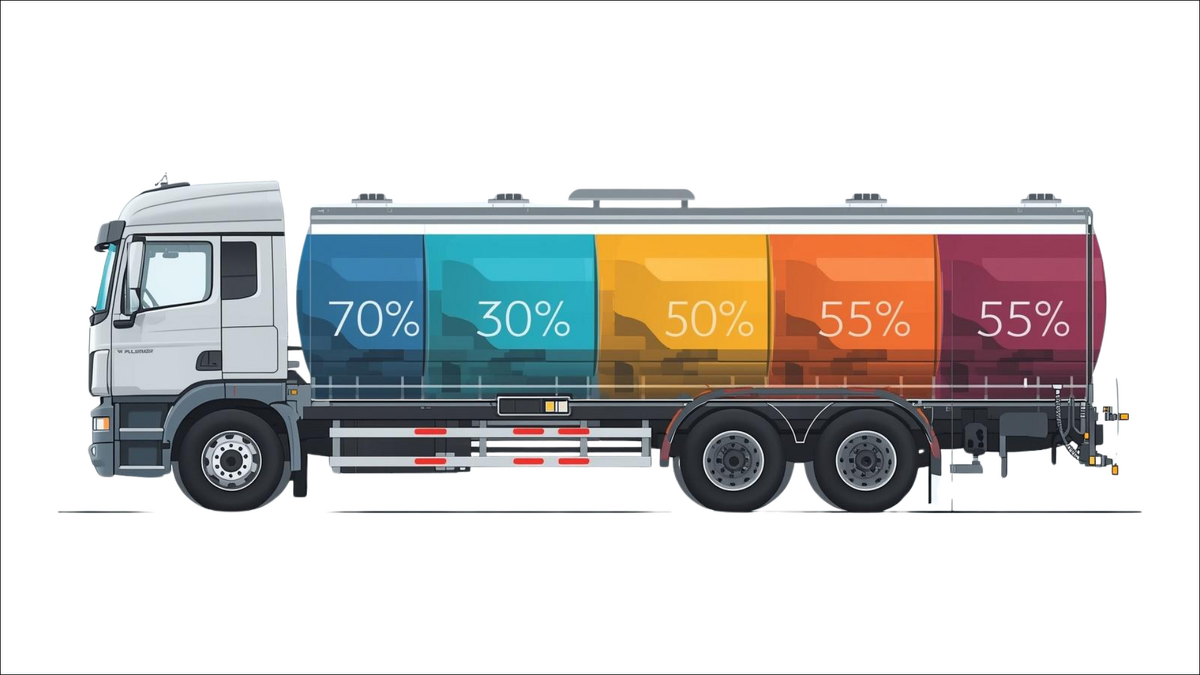
Schedulers deal with constant change, density shifts, fixed volume requirements, product substitution, and last-minute order adjustments. Each change affects compartments, axles, and overall mass. Manual recalculation often leads to compliant loads that still leave unused capacity across the truck. Unused capacity directly increases freight cost per litre. Over time, small inefficiencies compound into extra trips and unnecessary expense.
Automated Volume Maximisation: Octane’s comprehensive automated load calculations take the math off your plate. The system intelligently distributes fuel to maximise total volume safely across every compartment and axle. You plan to achieve the absolute maximum payload on every single trip without ever crossing a weight limit, all in the matter of a single click.
Overloading or underloading trucks
Even well-planned loads shift when something changes. Striking the perfect payload balance is notoriously difficult. Fixed-volume compartments, density variations, partial orders, or manual tweaks can unintentionally overload an axle or leave the truck significantly underweight. Both outcomes are costly, overloads create compliance risk, and underloads increase freight cost and reduce efficiency
Flexible Load Control: Dispatch needs agility. Octane provides flexible load volume capabilities, giving you the power to choose between fixed volumes, manual adjustments, or fully automated loading for each individual compartment. You get total control to configure the perfect load strategy for every specific vehicle and run.

4. Incorrect or incomplete reporting
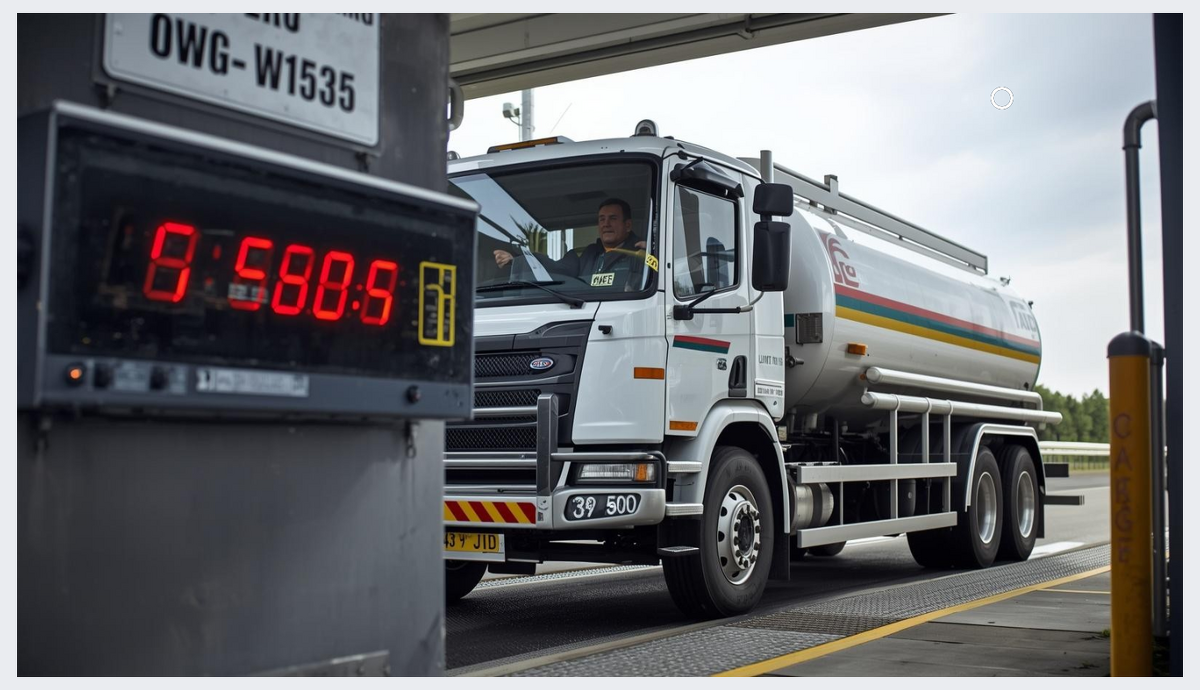
In a highly regulated industry, incorrect reporting isn't just an annoyance; it's a liability. Scrambling to pull together missing data or dealing with inaccurate load reports can trigger costly compliance audits and damage your reputation. Reporting is often a blend of spreadsheets, screenshots, and weighbridge slips. This makes it difficult to trace how a load was planned, what changed, and why. Missing or inconsistent reporting slows investigations and complicates certification processes. Without a reliable audit trail, operators lose time recreating events, and risk gaps in compliance documentation.
Clear Audit: When your fleet is equipped with Octane's in-cab onboard technology, the entire process connects seamlessly from dispatch to delivery. Drivers are automatically notified about their specific trip and load details right in the cab, eliminating manual paperwork and miscommunication. Meanwhile, the system can automatically capture all that on-the-ground data to generate robust audit trails and comprehensive reporting for the back office. You get complete operational transparency, empowered drivers, and the peace of mind that comes with being audit-ready 24/7.