
The Forecourt of Tomorrow: How Mobile-Led Payments are redefining the forecourt
Date: 19 Jan 2026
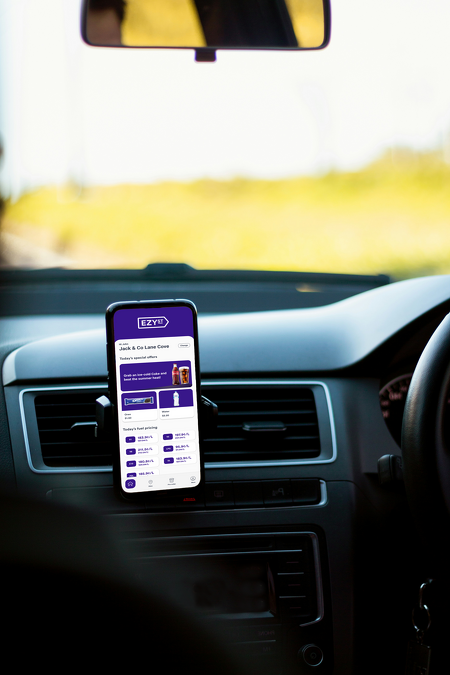
Payments at the forecourt are evolving, and mobile-led solutions are redefining what “convenience” really means for both everyday drivers and fleet operators. It’s now about seamless, personalised experiences that fit effortlessly into their day.
What started as “pay from your car” is quickly becoming the operating system for the modern forecourt, shaping experience, loyalty and even the site design. As part of our Expert Series, we spoke with Mick Jarvie, Founder and COO of The Online Fuel Company, to unpack how mobile-led payments are transforming the forecourt experience for retailers and fleets.
As Mick Jarvie puts it, “It’s about understanding the person behind each payment and using that insight to drive loyalty, operational efficiency, and long-term growth”.
In this Octane Expert Series, we explore how mobile payments are shaping the next chapter for forecourts across ANZ and globally.
1. Insight: Customers expect frictionless, in-car experiences
“It’s quite a different experience for users and in many cases a more natural one,” Mick says. Today, most of the interaction happens from inside the car, mirroring the seamless digital experiences drivers already rely on in other parts of their lives.
With mobile-led payments, drivers can authorise the pump from their phone, step out only when fueling begins, and receive instant digital receipts.
This isn’t just convenient for parents juggling their kids; it’s appealing to younger drivers looking for a self-serve, digital experience, and anyone in a rush.
Impact: “Drivers spend less time worrying about payment and more time getting on with their day,” Mick explains. Fueling becomes smoother, faster, and more aligned with customer expectations.
2. Insight: Mobile-first gives fleets real-time control, full visibility and direct driver oversight
Mobile payments are changing fuel management for fleets. Drivers can enter odometer readings, authorise payments from the car, and fuel only when the pump is ready. The real shift, though, is what this unlocks for fleet managers.
“For fleet managers, a mobile-first payment product completely transforms how they run expenses,” Mick notes. They can instantly issue or cancel driver accounts, monitor transactions in real time, and set clear control around locations, products, and spending limits. All the data they need for compliance and reporting is right there and ready.
Impact: Fleets minimise errors, reduce administrative work, save time, and maintain tighter control over fuel spend. Mobile-first payments deliver efficiency and oversight, helping businesses stay agile and in control.
3. Insight: Outdoor Payment Terminals (OPTs) aren’t going away, but mobile-first is becoming the dominant model.
Many forecourts still rely on Outdoor Payment Terminals (OPTs), but mobile-led payments are quickly gaining ground. “It’s a natural transition,” Mick explains. Drivers want digital convenience, and retailers are discovering they can meet this demand without overhauling existing infrastructure. Software solutions can operate on back-office or POS PCs with no additional hardware. In fact, over 90% of fuel systems in ANZ are already compatible with modern mobile solutions.
Impact: Retailers can modernise their experience without costly hardware changes. Early adoption positions them as forward-thinking operators as customer expectations continue to evolve.
4. Insight: Mobile-first goes beyond payments, unlocking new levers for smarter staffing, smarter hours, and a more efficient forecourt.
From a retailer’s perspective, the good news is that they now have much more choice around how they provide unattended payment for customers. They can choose Outdoor Payment Terminals, mobile payment solutions, or a combination that operates seamlessly together.
Choosing a mobile payments approach allows retailers to meet evolving customer expectations, open up new engagement and loyalty opportunities, and gain operational flexibility. They can adjust store hours and staffing to better match demand, all without major infrastructure changes.
As Mick Jarvie explains, mobile payments also help reduce queues and improve forecourt efficiency. “One of the retailers we work with said the more fuel they can sell on the forecourt without customers having to pay inside, the better. During peak cafe hours, it’s a real advantage to have people paying in a mobile form so they don’t need to come inside.” Mick adds that this approach lets operators reduce store hours where it’s not necessarily profitable to have the store fully staffed, while still selling fuel in a convenient way. Retailers can be more flexible about when they open the store and how many staff are needed to run operations.
Impact: This flexibility allows retailers to experiment with new offers, staffing hours, and labour models, turning forecourts into agile, customer-first spaces that adapt to the demands and behaviour of your customer base.
5. Insight: Going mobile is safer than you think
Security is often the first concern when adopting mobile payments. Mick explains, “The device owner is much less likely to misuse the payment method. Mobile platforms use built-in security features to add controls over where and how transactions take place. Retailers gain much greater visibility of activity on their forecourts, while modern e-commerce fraud prevention measures provide safeguards that physical cards cannot. Unlike cards, which can be shared multiple times before issues are noticed, mobile payments offer real-time monitoring and enhanced protection.”
Impact: Mobile payments reduce risk, strengthen compliance, and give retailers greater oversight of forecourt activity. This not only provides peace of mind but also enables a smoother, more efficient experience for customers.
6. Insight: With mobile as the anchor, loyalty and engagement become integrated into the forecourt journey.
Mobile payments open entirely new ways for retailers to engage with their customers. “The strongest advantage is the ability to communicate with your customers and truly understand them,” Mick explains. “With physical or digital cards, you often don’t know who they are, what they like, or what they need. Mobile-first payments put you on their most-used device, giving a direct line to interact, get feedback instantly, and solve problems, such as letting customers complete their purchase without entering the store. It creates a completely different relationship compared to simply relying on signage or price boards to attract attention.”
The beauty of mobile platforms is that creating a loyalty program doesn’t have to be complicated or expensive. Mick says it can be as simple as offering targeted incentives to specific customers like a coffee with a premium fuel purchase or a free
coffee after five purchases rather than building a full-scale loyalty system. It’s about understanding what adds value for each customer and making it relevant, simple, and meaningful.
Impact for Customers: Mobile payments let drivers access personalised offers on fuel, coffee, and convenience items, pre-order with integrated loyalty redemption, and combine benefits from multiple third-party loyalty programs. This creates a more seamless and convenient forecourt experience tailored to their needs.
Impact for Retailers: Retailers can deploy and manage loyalty offerings easily through a single mobile platform, communicating directly with drivers. This is especially important for fleets, where communication traditionally went only through the fleet manager. They can customise their loyalty offerings in one platform to better serve the diverse needs of their customer base. Every transaction becomes an opportunity to build repeat visits, strengthen loyalty, and create a more meaningful, ongoing relationship with customers.
7. Insight: The forecourt is becoming a digitally enabled service hub
“As we see it, it’s all about making the purchase experience smoother for everyone,” Mick says. Mobile-led solutions are part of a bigger shift, giving retailers the tools to offer flexible 24/7 operations, self-service options, and multiple payment methods, including mobile, in-store, or OPT, to meet the diverse needs of modern customers.
At one end of the spectrum, commuters can pre-order coffee or food, take advantage of personalised loyalty offers, and refuel at locations that fit seamlessly into their routines. On the other hand, professional drivers who spend most of their day on the road can pay from their car and move through the forecourt quickly, without worrying about corporate reconciliation or queues.
Mick explains, “Customers are increasingly using mobile apps as their first point of contact, and we’re seeing strong demand from independent retailers for pre-order solutions. With a single app, drivers can fuel up, charge their EV, pre-order coffee, and grab a meal deal, all in one seamless experience. It’s about designing the forecourt around the driver’s needs rather than traditional service structures, creating benefits that were not possible before.”
Impact: The future of the forecourt is all about convergence, flexibility, and anticipating what drivers need. Mobile-led payments shift the experience from purely transactional to truly experiential, transforming the forecourt into an intuitive, connected environment that fits seamlessly into every driver’s journey.
The forecourt isn’t just a place to fill up anymore; it’s turning into a connected ecosystem shaped by mobile payments, shifting customer expectations, and the data behind every visit. And for retailers and fleets, leaning into mobile-led payments isn’t just about making things faster. It’s about building a direct line to drivers, unlocking new value, and staying ahead as fuel, EV charging, convenience, QSR, and loyalty all start to come together.
About Mick Jarvie
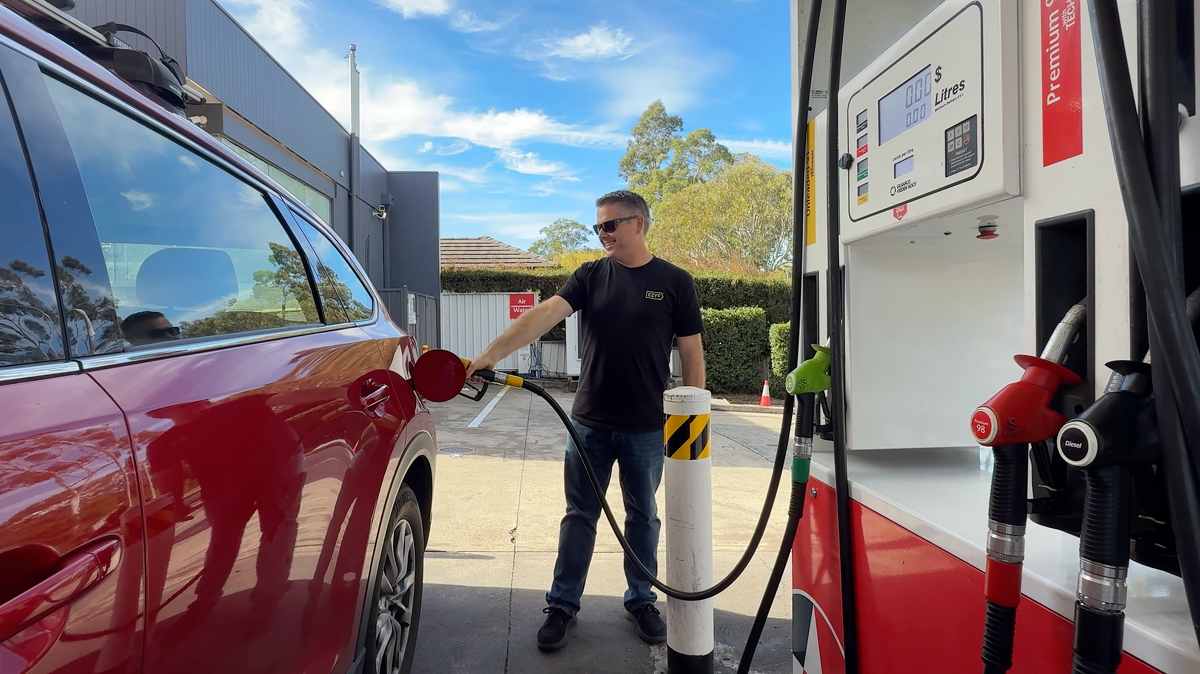
Mick Jarvie is the Founder and Chief Operating Officer of The Online Fuel Company. The Online Fuel Company is a technology provider specialising in mobile-led payment and loyalty solutions that streamline fuel purchases, enhance customer engagement, and deliver secure, plastic-free transactions for retailers and fleets across ANZ.
About Octane Systems
Octane Systems is a market leading provider of cloud-based ERP solutions for the fuel and gas industry. This interview is part of The Expert Series, Octane’s ongoing thought leadership program that uncovers emerging trends, challenges, and opportunities shaping the industry, offering practical insights for distributors, retailers, and investors.