
Unlocking Delivery Efficiency in Fuel Distribution
Date: 2 Dec 2025
Efficient delivery scheduling is one of the most critical drivers of operational performance and profitability for fuel distributors. Octane Systems sat down with Mick Taylor, Partner at Synergi Fuel Partners, to explore practical strategies and insights that help distributors streamline operations, reduce costs, and stay ahead of the curve.
High-Impact Improvements That Drive Results
According to Mick, small changes in delivery scheduling can lead to significant bottom-line benefits. He highlights three key areas:
1. Customer Storage Visibility
Real-time insight into customer tank levels enables just-in-time deliveries. This reduces unnecessary trips, improves route planning, and ensures resources are used efficiently.
2. Fleet Optimisation
Selecting the most effective vehicle and trailer combinations each day maximises delivery capacity. This reduces trips, fuel use, and operational costs.
3. Legal Load Maximisation
Operating at optimal legal load limits under mass management regulations ensures each trip delivers maximum value. Underloading wastes capacity, while overloading poses compliance risks.

Overcoming Resource Constraints
When distributors face limitations in driver or vehicle availability, Mick recommends starting with data. “Use it to validate whether constraints are real or perceived inefficiencies often hide in plain sight,” he says. Bringing in a fresh perspective can also help challenge long-standing habits. Additionally, reviewing delivery strategies such as flexing volumes or adjusting delivery windows can unlock capacity without adding resources.
The Role of Technology
Technology is a key enabler of smarter scheduling. Mick points to the power of live customer data and system integration for real-time decision-making. “An integrated ERP like Octane Systems, combined with in-vehicle tech, ensures seamless communication between dispatch and drivers,” he explains. Advanced trip planning tools also provide visibility across the fleet, helping to optimise routes and loads for better performance.
The Challenge of Change
Despite the clear benefits, adoption isn’t always easy. “Reluctance to change is a major barrier,” Mick notes. Moving to a tech-driven model requires not just new tools, but a shift in mindset. Teams may be stuck in old routines, and without clearly quantifying the bottom-line benefits, it can be hard to gain buy-in. Leadership must champion the change and communicate the value clearly.
The bottom line
While improving delivery scheduling requires
change, the rewards are well worth the effort. By embracing technology,
challenging old habits, and making data-driven decisions, fuel
distributors can unlock hidden capacity, improve compliance, and drive
real financial results. As Mick puts it, “Those who take a proactive
approach will be best positioned to thrive in a competitive and evolving
market.”
About Mick Taylor
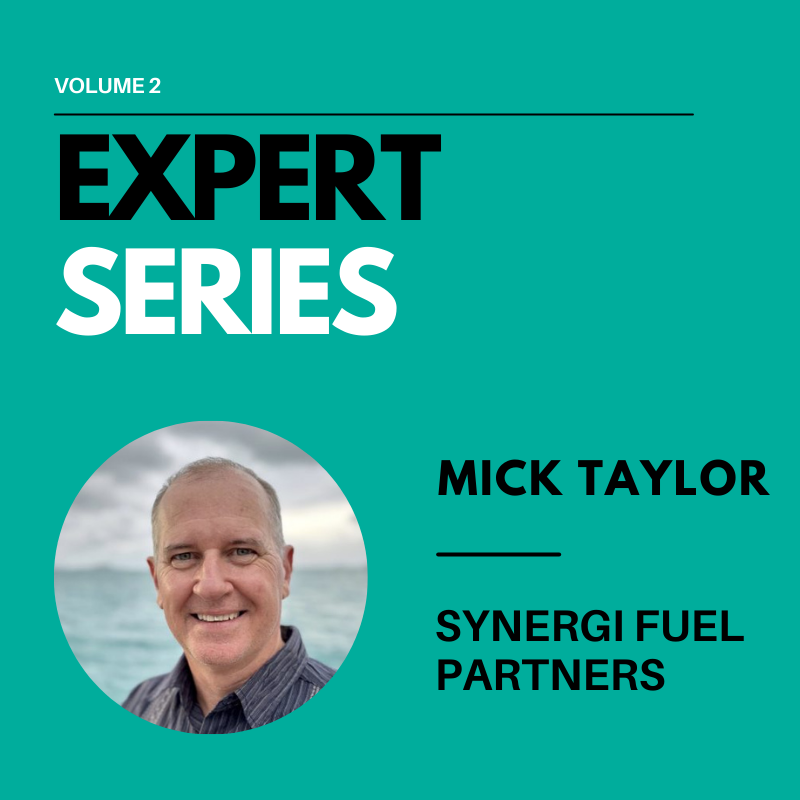
Mick Taylor is a Partner at Synergi Fuel, a consulting firm dedicated to helping independent fuel distributors across Australia maximise efficiency and profitability. With a career spanning senior roles such as Head of Commercial Industries Sales at Green Energy, Operations and Sales at Bonney Energy, and Sales and Marketing at Caltex, Mick brings deep expertise in commercial strategy, operations, and market growth in the fuel and gas industry.